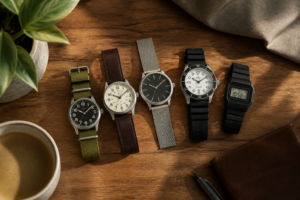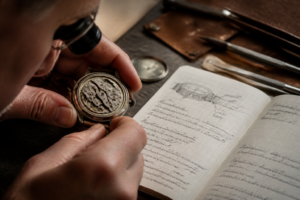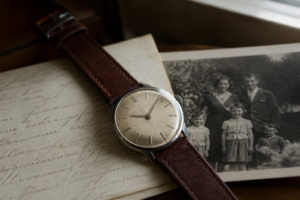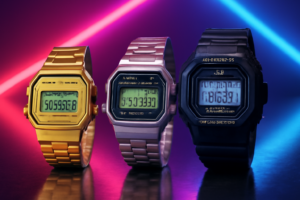
$340 changed hands across a department store counter, and in return I got a shiny full-retail watch and approximately zero useful knowledge. I pointed at something in the case, paid for it, and left feeling like I’d joined a club I hadn’t actually earned entry into. No mentor, no roadmap, a budget I hadn’t really thought through — that’s the position most beginners start from, and it’s a genuinely hard one. So this exists instead: everything I learned the slow, expensive, backwards way, compiled into the order I wish I’d learned it in.
Whenever someone asks me where to even begin, this is the answer I mentally reach for. Movement types, case sizing, style categories, honest budgets, safe places to buy, things to steer clear of, and a workable first three-watch collection — it’s all here. I built the resource I couldn’t find when I actually needed it. Whether horology itself pulls you in, or the aesthetics do, or you’ve simply arrived here the same way many of us arrive at fountain pens and daily journaling — you’re in the right spot.
Read straight through once to get your bearings. After that, treat each section as a reference to revisit while you’re actually shopping. That’s how a resource like this earns its keep.
The Movement Question: What’s Actually Ticking Under the Dial
Spend your money after you understand what’s inside the case, not before. The movement — or caliber, in the industry’s own vocabulary — is the mechanism that produces motion in the hands, full stop. Three broad types exist, and each one reflects a genuinely different philosophy about how time should be kept.
Quartz Movements
A battery drives electrical pulses through a tiny quartz crystal in this type of movement, and that crystal oscillates at 32,768 Hz. What you get in return is accuracy most mechanical movements can’t touch — typically within ±15 seconds a month. Quartz asks little of you, costs little up front, and gets dismissed constantly by newcomers who’ve absorbed the hobby’s mechanical snobbery without questioning it. I’d call that dismissal a rookie mistake. Some genuinely historic, genuinely beautiful watches run on quartz movements.
Mechanical Movements: Manual and Automatic
No battery involved here — a wound mainspring supplies all the energy. Manual-wind pieces need the crown turned by hand, generally every 24 to 48 hours. Automatics let a rotor do that job instead, spinning off the natural motion of your wrist. Mechanical is where most collectors’ hearts end up first, and I understand why — there’s real satisfaction in a machine running on stored spring tension and nothing else.
The tradeoff is upkeep. Timekeeping drifts — even a properly regulated mechanical movement can wander ±10 seconds in a single day. Servicing comes due every 5 to 10 years, running anywhere from $150 to several hundred dollars depending on what’s inside. But the attention it demands is repaid. Not unlike an inked fountain pen you use daily, a mechanical watch becomes woven into your routine rather than sitting apart from it.
Where a Beginner Should Actually Begin
Buy whatever actually pulls you in. Don’t let forum snobbery talk you out of quartz. But if mechanical is genuinely the itch you want to scratch, an automatic is the sensible doorway in — no daily winding ritual required, which cuts down on early friction. Whichever route you take, know exactly what you’re purchasing before the money leaves your hand. For this exact scenario, I keep pointing people toward the Seiko 5 — my full review is here, and the one-year follow-up tackles whether the hype was justified.
Case Size, Materials, and Proportion — Fit Beats Spec Sheets
For two straight years I wore a 44mm watch before finally admitting it looked absurd sitting on my 6.25-inch wrist. Case size is the practical detail beginners overlook most, and it dictates comfort, how the piece actually looks on you, and how much everyday use you’ll realistically get from it.
Figuring Out What Actually Fits Your Wrist
Diameter gets measured straight across the case face in millimeters, crown excluded. As a rough starting point: wrists under 6.5 inches generally suit 36–40mm cases; between 6.5 and 7.5 inches, 38–42mm sits comfortably; larger wrists can handle 42–46mm without tipping into oversized territory. Treat these as starting guidance, not law. Lug-to-lug — the full span of the watch head, not just the dial — carries just as much weight as diameter does. A 40mm case on long lugs can wear noticeably larger than a 42mm case on short ones.
Thickness matters too, and it’s easy to ignore on a spec sheet. A dress piece might run 7–9mm; a diver can climb to 13–15mm without much trouble. The thicker the case, the higher it sits on your wrist, and the less gracefully it slides under a shirt cuff. If tailored shirts are part of your regular wardrobe, factor thickness in from the very beginning rather than as an afterthought.
Case Materials by Price Point
Stainless steel does the heavy lifting across most of the hobby — tough, resistant to corrosion, and it finishes well whether polished or brushed. Below $2,000, you’re almost always looking at 316L surgical-grade steel; some pricier pieces step up to 904L, which resists corrosion even better and machines harder. Titanium sheds weight and won’t aggravate a nickel sensitivity, which matters if that’s a concern for you. Gold and other precious metals show up once you’re well into luxury pricing, and that’s territory a beginner can safely set aside entirely for now.
Sorting Out Watch Styles and Which Category Fits You
Every watch design answers to a specific context it was built for. Knowing the major categories lets you build a collection with real purpose instead of five watches that all do the same job. Five categories cover the essentials for a beginner.
Dress Watches
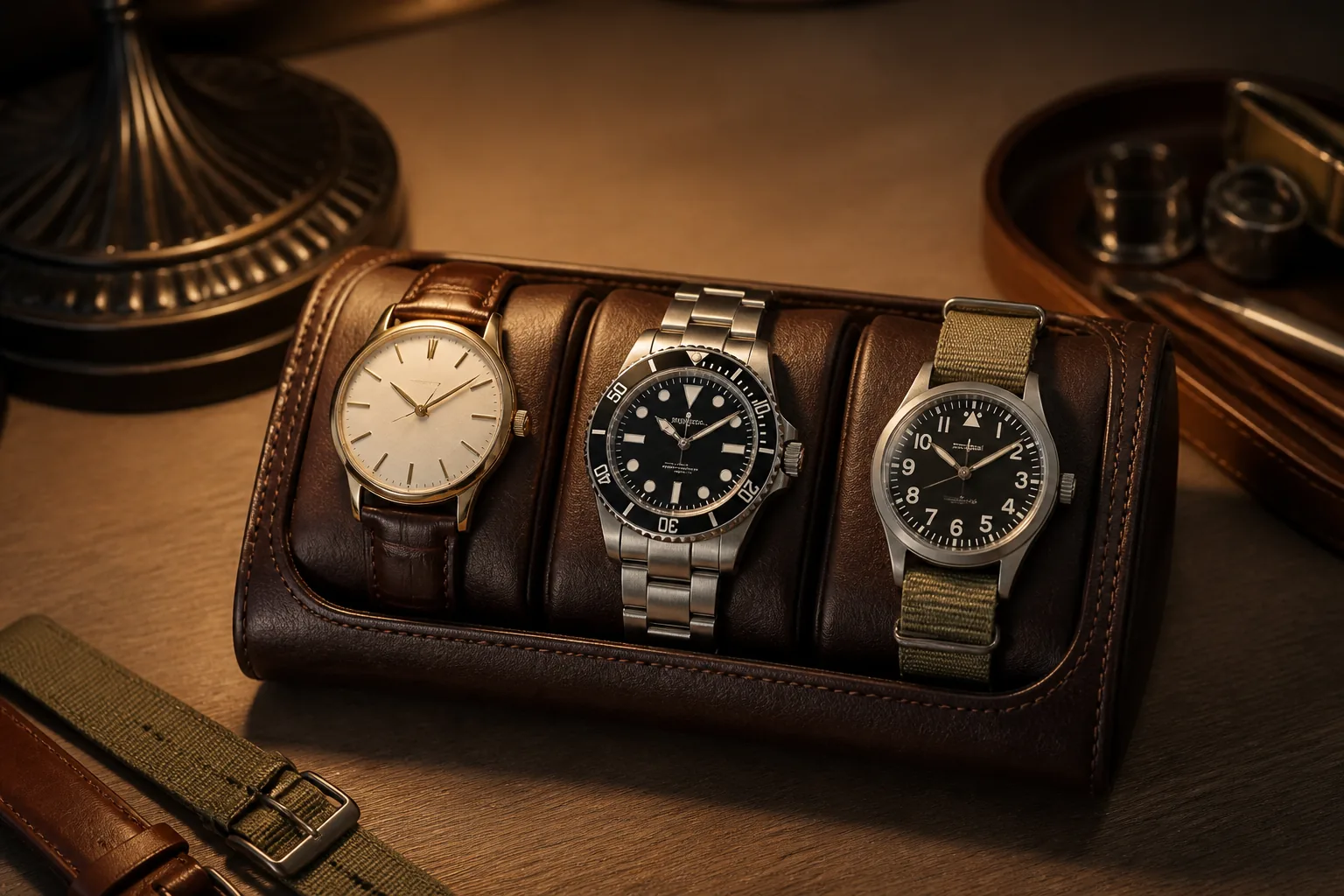
Slim, quiet, built to vanish under a cuff — that’s the entire brief for a dress watch. Expect a simple dial, a leather strap, and nothing beyond time and maybe a date window in the way of complications. These are the pieces that belong with formal or business-formal clothing. Diameters generally sit in the 36–40mm range. A properly chosen dress watch will still look correct decades from now.
Dive Watches
Built originally to survive underwater, dive watches have since become an everyday default for a huge number of wearers. Look for screw-down crowns, a unidirectional rotating bezel, water resistance rated to at least 200 meters under ISO 6425, and luminous hands and markers. They’re tough, easy to read at a glance, and more versatile than their sporty reputation suggests. In my experience, a good dive watch makes a genuinely excellent first mechanical piece — it’s engineered to absorb daily wear without complaint.
Field and Tool Watches
Field watches trace their DNA back to military use, and that shows in every design choice — legibility first, durability second, decoration a distant third. Cases usually land around 38–42mm, dials stay clean and high-contrast. There’s an honesty to these that I find genuinely appealing. They suit casual or smart-casual outfits comfortably and rarely draw unwanted attention.
Chronographs and Pilot Watches
A chronograph adds a built-in stopwatch operated by pushers on the case flank. They look intricate because they are — the extra mechanics inside raise both manufacturing and servicing cost. Pilot watches, meanwhile, feature oversized crowns meant for use with gloves, rotating bezels or slide-rule scales, and dials designed for maximum legibility at a glance. Both are compelling categories. Still, I’d point beginners toward simpler movements first, before layering on complications. I break down exactly what each pusher does in chronograph watches explained.
What a Watch Collection Actually Costs, Realistically
Here are the numbers, without the marketing gloss. This hobby spans from $50 pieces to $500,000 and beyond. Starting well doesn’t require a large budget — but it does require spending it deliberately.
Under $300
A perfectly legitimate place to begin. Quartz dominates this tier, though a handful of entry-level automatics turn up here too. Build quality swings wildly, so look into specific references before handing over money. The real danger at this price is a watch that appears expensive but won’t hold up — thin case backs, sloppy finishing, unreliable movements from calibers nobody can vouch for. Stick with manufacturers who have a track record, even here at the low end. For specific recommendations, I maintain an updated list of the best watches under $100 I’d actually wear daily.
$300 to $1,000
This is where things get genuinely interesting. Real Swiss-lever escapements show up here, alongside Japanese automatic movements with solid specs and real design intent. Movements from ETA, Miyota, Sellita, and similar names populate this range. Finishing steps up a notch, and case and bracelet quality improve noticeably. In my experience, this is exactly the price band a beginner’s first serious mechanical watch should come from ��� real horology, without the stress of a five-figure decision.
$1,000 to $3,000
Here you start finding in-house movements, better finishing, and pieces that hold their value reasonably well. Plenty of collectors treat this range as the true “serious” entry point. It’s also where the secondary market starts mattering a great deal — buying pre-owned at this level can save you real money. Even so, this isn’t where a beginner should be starting out. Build your knowledge base first; the money you spend later will go further for it.
Choosing Where to Buy: Retail, Pre-Owned, and Red Flags
The source of the watch matters as much as the watch itself, especially once real money is involved. I’ve bought through authorized dealers, gray-market sellers I trust, private individual sellers, and dedicated pre-owned platforms — and each of those channels carries its own particular risk.
Authorized Dealers (ADs)
An authorized dealer gets you a manufacturer’s warranty, usually running two to five years — but you’re paying retail, occasionally the highest price the watch will ever command. Certain in-demand references even come with waitlists at an AD. For a beginner, though, buying through an AD removes any worry about authenticity entirely; you know precisely what you’re getting. It can also double as an education, since AD staff are frequently enthusiasts in their own right.
Buying Pre-Owned
Experienced collectors do most of their real buying in the pre-owned space. Established platforms with buyer protection, specialist dealers who authenticate pieces, and private sales through trusted community connections are all legitimate paths. But pre-owned demands knowledge — verifying authenticity, judging condition honestly, understanding what service history actually tells you. For a very first purchase, that’s a layer of complexity worth avoiding at first. It becomes an asset once you know what you’re looking at. I go into this at length in buying your first vintage watch, and I keep an ongoing list of the best vintage watches under $200 that still keep good time.
What to Steer Clear of Entirely
Walk away from any seller offering luxury references at prices that feel too good to be real. They are not real. Counterfeits are a genuine and worsening problem, and the fakes out there have gotten disturbingly convincing. Specifically, don’t buy expensive references through social media DMs, unverified marketplace listings, or from anyone who won’t produce documentation. The downside isn’t purely financial, either — owning counterfeit goods carries legal risk in plenty of jurisdictions. For exactly what to inspect beforehand, read spotting a franken watch before you buy and homage watches vs. counterfeits: where I draw the line.
Steer clear of auction houses for expensive pieces too, unless you can genuinely verify authenticity from photos alone. Most beginners can’t — and that’s simply reality, not an insult.
Assembling a Three-Watch Collection That Actually Covers You
The old collector’s advice — build three watches that each cover different ground — gets repeated constantly because it holds up. Chosen with intention, three watches will handle nearly every occasion life throws at you, with minimal overlap between them. I’ve laid out exact picks and pricing for each slot in building a 3-watch collection on a real budget.
Watch One: The Daily Driver
This is the piece you grab without a second thought. It needs durability, easy legibility, comfort on the wrist, and enough versatility to go from a Monday desk to a Saturday hike. A dive or field watch somewhere in the 38–42mm range is the natural pick, automatic or quartz — both work fine here. Budget roughly $300 to $800 for something that actually delivers on quality and reliability day after day.
Watch Two: The Dress Piece
This is the one that dresses up a suit or a formal occasion properly. Slim, elegant, restrained — that’s the assignment. A plain three-hand dial in 36–40mm on leather covers nearly every formal situation you’ll face. Since you won’t be wearing it daily, condition matters less here, which makes pre-owned a genuinely smart move — often getting you notably better quality for less money on the secondary market.
Watch Three: The One With Personality
This slot is where you get to express something personal — a chronograph, a bold-colored dial, a vintage find, an independent microbrand, whatever genuinely lights you up. By the time you’re choosing watch three, watches one and two have already taught you real things: what you actually like, what fits your wrist, what you reach for without thinking. That knowledge makes this purchase far more satisfying, and far less likely to end up as regret. Worth exploring: GMT watches for people who actually travel between time zones, and microbrand watches worth knowing if you want something nobody else at the meetup will be wearing.
The Basics of Watch Care Every Beginner Needs
A watch is a precision instrument, and while it doesn’t demand much upkeep, it demands the correct upkeep. Get this part wrong and a small issue turns into an expensive one fast.
Daily and Weekly Care
Give the case and bracelet a regular wipe with a soft, lint-free cloth. Sweat is mildly acidic, and left to sit, it will dull a finish over time. If you own a diver with a screw-down crown, always confirm it’s screwed in fully before any contact with water. For manual-wind pieces, wind at roughly the same time each day — slowly, through the crown’s complete range of motion, stopping the instant you meet resistance. Never push past that point.
Servicing Schedules and Costs
Mechanical movements need periodic servicing — cleaning, lubrication, regulation, the whole process. Most manufacturers suggest an interval of five to eight years for a modern movement, though older or heavily used ones might need it sooner. Set aside $150–$400 for a standard service on an entry-level or mid-range piece, and factor that number into what a watch really costs you to own. A $500 watch needing a $300 service isn’t automatically a poor purchase — just make sure you know that cost exists before you buy. For the full breakdown of intervals and real-world pricing, see how often a mechanical watch really needs service.
Storing Your Watches Properly
Keep watches well away from strong magnets. Ordinary electronics — phone speakers, tablet covers, magnetic bag closures — carry fields strong enough to magnetize a mechanical hairspring. Once magnetized, a movement will run noticeably fast, sometimes gaining several minutes in a single day. A watchmaker can demagnetize it quickly and cheaply, but avoiding the problem in the first place is smarter. When an automatic isn’t in your rotation, store it in a watch roll or a proper case. If you’re wondering whether a winder is even worth owning, I give an honest answer in do you actually need a watch winder, with more detail in my full watch winder review.
Beginner Mistakes Worth Sidestepping
Mistake 1: Chasing the Logo Instead of the Watch
Brand recognition and actual quality don’t always line up. Some famous names sell entry-level pieces with unremarkable movements at prices padded far beyond their worth. Meanwhile plenty of lesser-known makers deliver genuine value and craftsmanship. Look into the specific reference itself, not just whatever’s printed on the dial.
Mistake 2: Skipping Case Size Until It’s Already on Your Wrist
I can’t overstate this one. Photos, particularly polished product shots, distort scale badly. A watch that looks perfectly proportioned on a model’s wrist can swallow yours whole. Before ordering anything online, find the lug-to-lug figure and physically mark it out on your own wrist with a ruler. Thirty seconds of effort, and it can spare you a real disappointment.
Mistake 3: Rushing — or Endlessly Stalling — the Learning Process
This hobby rewards patience. Months spent reading, trying watches on in stores, and talking with other collectors before spending anything is time well used. But swing too far the other way — pure analysis paralysis — and it costs you just as much, only in a different currency. Give yourself a decision deadline. Research hard until you hit it. Then buy.
Mistake 4: Buying Your First Watch Like It’s a Stock Pick
Most watches lose value over time; a rare few gain it dramatically. As a beginner you have no reliable way to tell which is which, and chasing appreciation distracts from the actual point of owning one — loving and wearing it. Buy to wear. Let resale potential be, at most, a distant secondary thought, and only once you’ve actually built real market knowledge.
Mistake 5: Overlooking the Strap Entirely
A strap or bracelet changes the whole personality of a watch. Plenty of beginners obsess over case and movement, then settle for wearing a strap they don’t actually like. Swap in the right leather, NATO, canvas, or metal bracelet, and a mediocre-looking watch can become one you’re genuinely fond of. Straps are also cheap to replace — typically $20 to $80 for something well made. Don’t sleep on that detail. I cover this in more depth in NATO vs. leather vs. rubber: matching strap to occasion, and quick-release straps changed how I wear my watches if you want the simplest way to start experimenting.
Closing Thoughts: Going Slow Is Going Correctly
Everything above covers the fundamentals, but the real learning happens through handling watches, wearing them, and simply paying attention over time. Every piece you strap on teaches you something — what appeals to you, what doesn’t, what holds up in person versus in a photograph, and what actually fits your life rather than just looking good in theory.
The collectors I admire most didn’t accumulate their knowledge overnight — it came gradually, through curiosity and steady practice. That’s the exact same energy that pulls people toward fountain pens, toward handwritten journaling, toward any analog craft that rewards slowing down and actually paying attention.
Begin with a single watch you truly love. Wear it. Let it teach you something. Then make your next purchase a smarter one. That’s the entire philosophy, and it holds up every single time.
If questions come up while you’re working through your first purchase, know that the watch community tends to welcome curious beginners warmly — forums, local collector meetups, and knowledgeable shop staff are all genuinely useful resources. You don’t have to sort this out on your own.
About This Article

Written by Ellen Ashford. Watch collector, fountain pen enthusiast, and lifelong journaler. Time & Ink is where I explore the craft of analog living — from vintage timepieces and fine stationery to the simple pleasure of putting pen to paper. More about this site.
Verify this against a primary source
Specifics change, and your situation may differ from the one described here. These are the authorities worth checking directly:
- NAWCC — horological reference, archives and research library
- Smithsonian Institution — collection records for historic timepieces and writing instruments