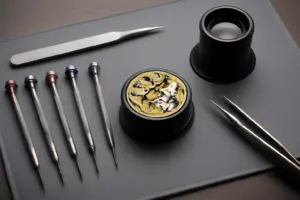
My case backs used to carry the scars of my own impatience. Nothing about a spring bar tool is complicated in theory, but in practice I’d end up hunched at my desk for the better part of ten frustrated minutes, loupe pressed to one eye, gouging a fresh scratch into the metal with every third attempt. Then, almost by accident, I picked up my first quick-release strap and felt slightly ridiculous for having resisted it so long. If you came looking for a genuine quick release watch strap review rather than another spec-sheet recap, you’ve found the right page. I’ve spent better than a decade collecting watches, and the last five years rotating straps with something close to obsession. Here’s the actual lesson that experience handed me.
The complaint I run into constantly is that quick-release hardware is some kind of concession — gear for people too impatient to master a proper spring bar tool. I don’t buy it. Quick-release spring bars are held to the same retention benchmarks as their traditional counterparts. That spring-loaded tab holds lateral tension nearly identical to a standard 1.8mm bar under ordinary wrist pressure. Calling these a shortcut misses the point entirely — they’re simply a smarter piece of engineering.
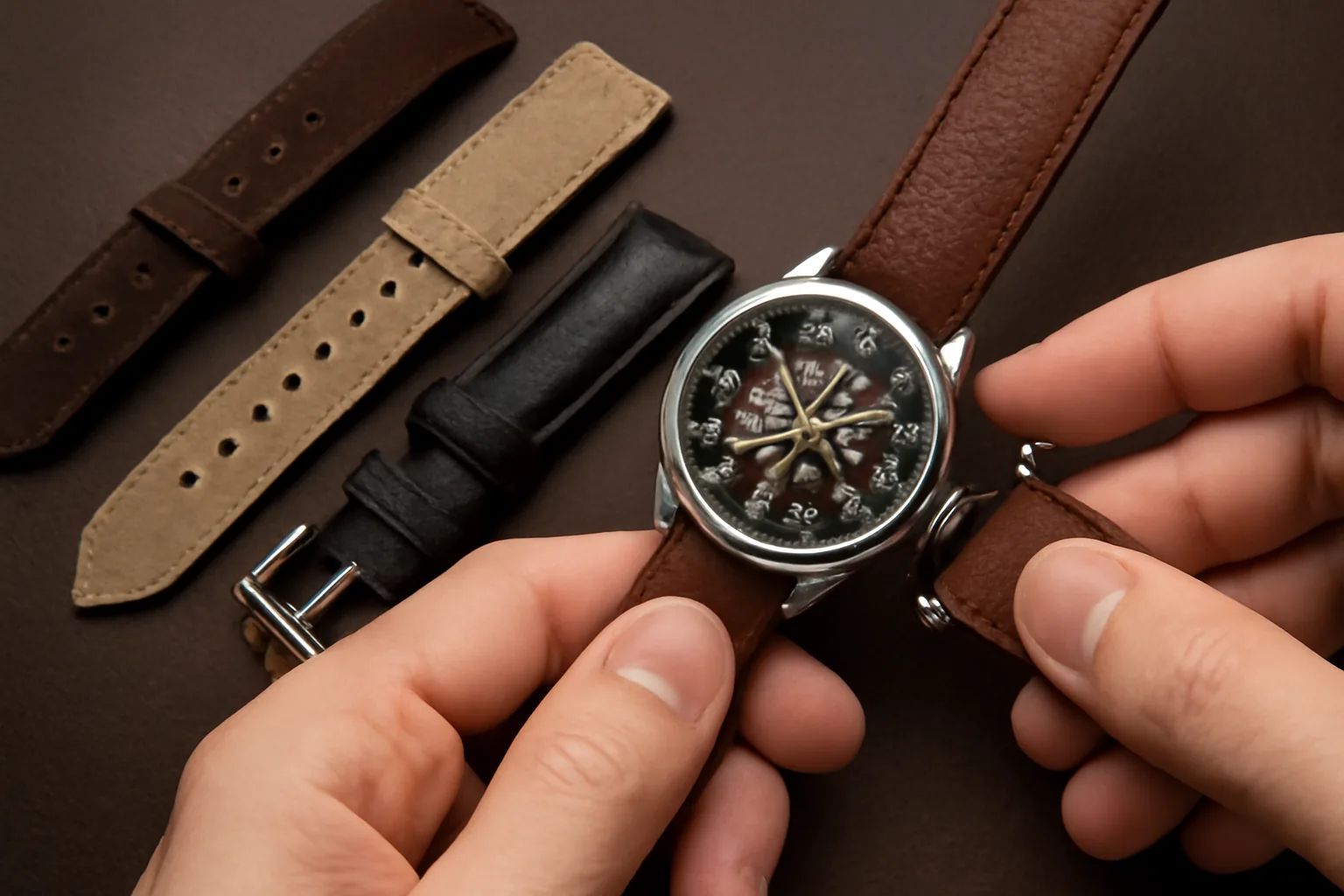
The real shift wasn’t about saved time, though that mattered too. It was how differently I began treating the watches I actually own. Once a strap change takes eight seconds rather than eight minutes, you stop skipping it. Leather goes on for a dinner reservation, silicone comes out for a weekend hike, and the NATO returns for Monday’s errands. My collection stopped sitting quietly in a drawer and started getting worn the way it was meant to be.
Inside the Mechanism: What a Quick-Release Spring Bar Actually Does
A conventional spring bar is nothing more than a tensioned rod, somewhere between 1.5mm and 1.8mm across, that slots into the lug holes of a case. Getting it out demands a forked spring bar tool, a steady hand, and more patience than you’d expect. Quick-release bars add a small tab that juts out from one end — press it inward, the bar compresses, and the strap lifts free on its own. No tool necessary.
You’ll usually find that tab on the underside of the strap, right where it meets the lug. Most reputable makers machine it from 316L stainless steel — the same grade used in surgical instruments — which matters both for longevity and for corrosion resistance, particularly if your watch sees any water. The internal spring is rated to survive thousands of compression cycles before fatigue becomes noticeable. Translated into daily life, that’s years of weekly swaps without a hiccup.
Here’s something worth knowing before you order: quick-release bars are matched to lug width, full stop. A 20mm strap needs 20mm bars; a 22mm strap needs 22mm bars, and the two aren’t interchangeable. I found this out the expensive way after buying a gorgeous cordovan strap that turned out to be the wrong width entirely. It sat untouched in a drawer for three months until I finally found a watch it actually fit. Measure your lug width first — it’s usually printed right in the manufacturer’s spec sheet, or you can check it yourself between the lugs with a set of digital calipers.
A Buyer’s Checklist for Quick-Release Straps
Quality varies wildly across this category. Somewhere north of thirty different straps later, spanning prices from $8 up to $120, I’ve settled on a short list of things I check before any strap earns a spot on my wrist.
Start With the Bar Itself
Nothing matters more than the bar. Press the release tab and pay attention to how the spring responds — it should feel smooth and positive under your thumb. Grittiness, stiffness, or looseness are all warning signs. A properly machined bar clicks with authority and lets go without a fight. Sloppy tolerances wear out faster, and a worn bar has an unpleasant habit of releasing on its own — which is exactly when you don’t want your watch parting ways with your wrist.
A good bar also sits flush against the strap’s edge rather than sticking out. If that tab is proud enough to catch on a jacket cuff or scrape your other hand, something’s wrong with the design — I’ve sent straps back for this exact reason. Releasing the strap should take a deliberate press inward, never an accident.
Don’t Ignore the Buckle and Keeper
People overlook buckle quality more than they should. A well-made buckle lies flat against the wrist, stays put rather than spinning loosely on the strap, and pairs with a keeper loop that genuinely secures the loose tail end. Cheaper buckles tend to have sharp interior edges that saw through strap material over months of use. Stainless steel buckles simply hold up longer than zinc alloy — and you can usually spot zinc alloy by its lighter feel and slightly rough, unfinished casting seams.
Silicone straps in particular deserve a deployant clasp or, at minimum, a solid pin buckle with a polished interior edge. Because silicone is softer than leather, it wears faster against a poorly finished buckle. Put two $30 straps side by side — one with a well-finished buckle, one without — and the difference in lifespan won’t be subtle.
The Silicone Option That Made Rotating Watches Effortless
If you’re anything like me, the goal is rotating watches without turning it into a ceremony involving spring bar tools and a held breath over the case back. Silicone quick-release straps remove that friction completely — they’re the reason I actually reach for different watches instead of defaulting to whichever one is already on my wrist.
Where It Delivers
- You can pull off a one-handed strap change in well under thirty seconds — no clearing the desk, no digging around for a loupe
- Silicone sheds water fast and never really holds onto it, so wearing one to the pool or through a shower doesn’t come with the usual fear of strap rot
- That textured surface keeps the watch anchored during writing or studio work, even against bare skin in the middle of summer
Where It Falls Short
- Next to leather or metal, silicone can feel a little disposable, and it will never earn the patina or character that a vintage leather strap develops over years
- The quick-release mechanism itself adds a bit of bulk at the lugs, so forget sliding it under a tight dress cuff the way you could with a slim leather strap
I’ll admit—I hesitated on silicone at first, worried it would cheapen my watches. It doesn’t. Instead, it removes the friction that kept me from actually enjoying multiple watches in my collection. Barton Elite Silicone Watch Band in 20mm
About This Article

Written by Ellen Ashford. Watch collector, fountain pen enthusiast, and lifelong journaler. Time & Ink is where I explore the craft of analog living — from vintage timepieces and fine stationery to the simple pleasure of putting pen to paper. More about this site.
Verify this against a primary source
Specifics change, and your situation may differ from the one described here. These are the authorities worth checking directly:
- NAWCC — horological reference, archives and research library
- Smithsonian Institution — collection records for historic timepieces and writing instruments